Thyroid Nodules: Connect the Tests With the Next Care Decision
Thyroid nodules are lumps in the thyroid gland at the front of the neck. Many are benign, but their features and clinical context need assessment before deciding whether monitoring, sampling or treatment is appropriate.
Normal hormone results do not establish the nature of every lump. Blood tests, ultrasound and a sample of cells answer different questions. Ask how the available findings fit together and what the next step is intended to clarify.
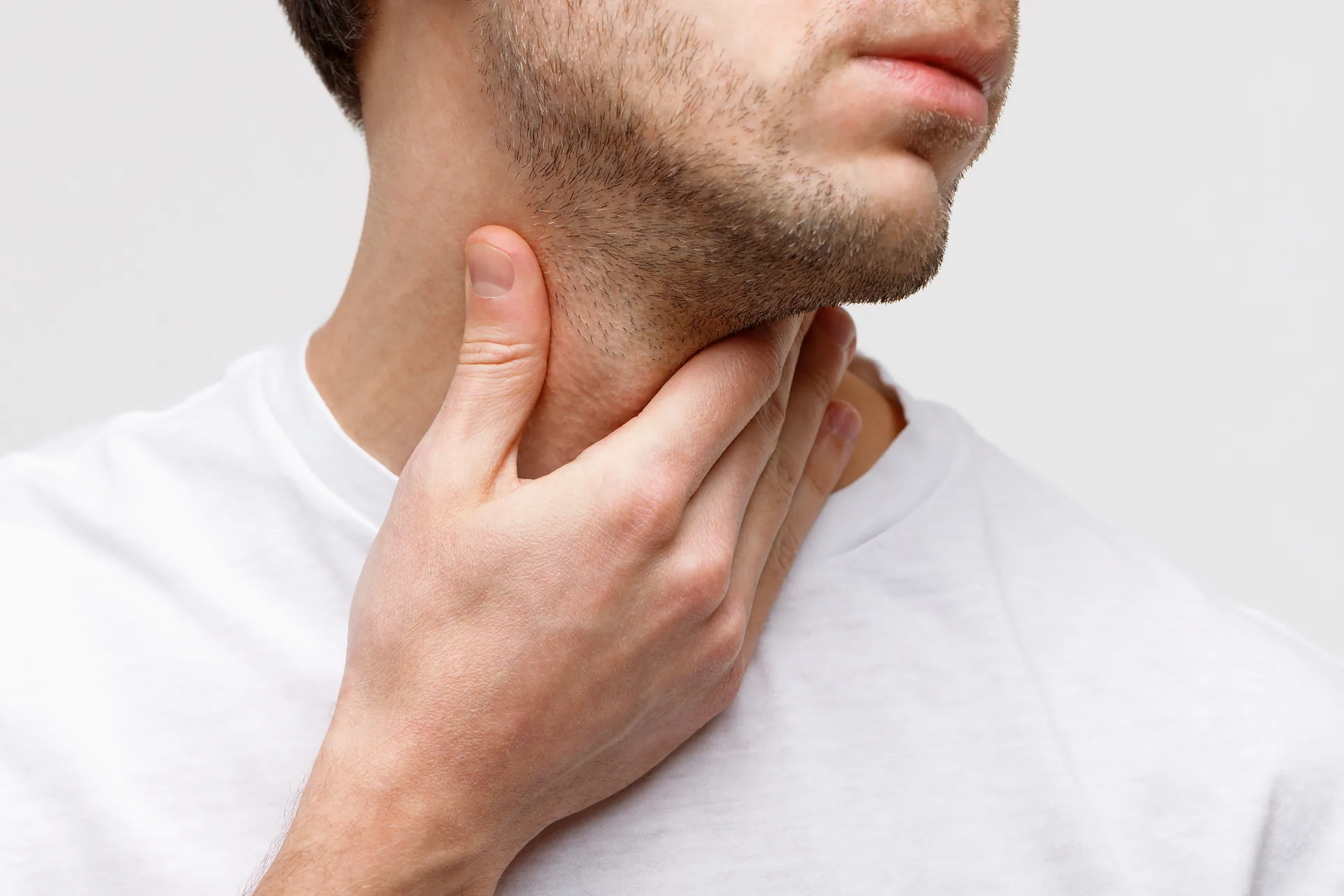
Consider the next step.
What should nodule evaluation establish?
Nodule evaluation should establish the relevant structural features, any effect on gland function and the presence of symptoms or other concerns. The clinician considers the history, examination and test results together.
Explain how the finding was discovered and whether it has changed. It may have been noticed by touch or found incidentally on imaging for another reason. Bring the full report rather than only a verbal summary.
Mention pressure symptoms, voice change, swallowing difficulty and relevant previous treatment. These observations guide the assessment but do not diagnose the nature of the lump alone.
How does assessment of a thyroid lump guide the next test?
Assessment of a thyroid lump guides the next test by identifying what is already known and what remains uncertain. Some findings support monitoring, while others may need sampling or another investigation.
Ask why the proposed test is useful and what its result could change. More testing is not automatically better if the question has already been answered, but a normal hormone result cannot replace a structural assessment.
A nodule in the thyroid discovered on another scan
A nodule in the thyroid discovered on another scan may need a dedicated assessment of its features. The original study may not contain all the detail required for a thyroid decision. Ask whether another report or image review is needed.
Thyroid nodule care when symptoms or size change
Thyroid nodule care should be reviewed when symptoms or size change. Report growth, pressure or a new voice problem. A changed pattern can alter the timing or purpose of the next step.
Hormone testing: separate function from tissue diagnosis
Hormone testing assesses aspects of thyroid activity. It can help identify normal, underactive or overactive function according to the relevant results. It does not determine the nature of every nodule.
Ask what the blood tests show and how they affect the investigation plan. Bring earlier results and a current list of medicines and supplements.
Do not start thyroid treatment or change doses because a lump has been found without clinical advice. Function and structural findings need to be interpreted in context.
Ultrasound features: understand which findings matter
Ultrasound features describe the gland, nodule and relevant surrounding structures, sometimes including lymph nodes. Size and internal appearance help guide whether sampling or monitoring is appropriate.
Technical wording can be difficult to interpret without the clinical context. Ask which features are important and which recommendation follows from them. A single descriptor should not be treated as a diagnosis on its own.
Bring earlier ultrasound reports if available so meaningful changes can be compared. Ask whether the actual images are needed and whether repeating the test would answer a new question.
Cell sampling: clarify the possible result categories
Cell sampling with a needle biopsy may be recommended for selected nodules. It obtains material for pathology assessment without removing the entire lump.
Ask what the result can establish, what uncertainty may remain and whether an inconclusive sample could need repeating or another approach. Some questions require more than one type of information.
Confirm the procedure instructions and mention medicines affecting bleeding. Do not stop prescribed treatment without individual advice from the appropriate clinician.
Monitoring plan: observation needs a defined purpose
A monitoring plan should explain what is being followed, when reassessment occurs and which changes should lead to earlier review. Observation is a clinical choice when the findings support it, rather than an assumption that the lump can be forgotten.
Ask whether the plan involves examination, blood tests, ultrasound or another measure and why. Keep the relevant reports for comparison.
Rapid severe neck swelling or breathing difficulty needs urgent medical care. Call 000 for an emergency. Do not wait for a routine monitoring date when the condition changes acutely.
When surgery enters the thyroid nodule care discussion
Surgery can enter the thyroid nodule care discussion for diagnostic concern, pressure symptoms, function or another specific reason. Not every nodule needs removal, and the extent should fit the purpose.
Ask whether part or all of the gland is proposed and why. The thyroid surgery guide explains questions about voice-related nerves, calcium and hormone replacement.
Discuss alternatives and what the final pathology could change. An operation intended to clarify the diagnosis should include an explanation of how later findings may influence further treatment.
Preparing for review of thyroid nodules
Preparing for review of thyroid nodules means collecting blood, ultrasound and biopsy reports, including earlier comparisons. Write down the symptoms and the questions you need answered.
Confirm who arranges the next test, explains the result and communicates the plan to your GP. If several services are involved, do not assume each one is automatically reviewing every report.
The American Thyroid Association explains nodule evaluation. Your treating clinician should connect general information with your own findings and local care arrangements.
Questions about assessment of a thyroid lump
Does nodule evaluation always lead to surgery?+
Nodule evaluation does not always lead to surgery. Monitoring or further investigation may be appropriate depending on the findings.
Can hormone testing be normal when a lump needs more assessment?+
Hormone testing can be normal when a lump still needs more assessment. Normal function does not establish the nature of every structural finding.
Do ultrasound features provide every answer?+
Ultrasound features do not provide every answer. They may need to be considered with sampling, symptoms and other relevant information.
Does cell sampling remove the whole nodule?+
Cell sampling does not remove the whole nodule. It obtains diagnostic material and can guide monitoring or further care.
Should a monitoring plan include a review date?+
A monitoring plan should include a review date or clear timing instructions. Ask what is being checked and which changes require earlier advice.
Is a nodule in the thyroid always malignant?+
A nodule in the thyroid is not always malignant. Many are benign, but the individual features need appropriate assessment.
Can thyroid nodule care involve more than one clinician?+
Thyroid nodule care can involve more than one clinician according to the question and treatment. Ask who coordinates the next step and longer-term follow-up.
Who should explain results for thyroid nodules?+
Thyroid nodules need their test results interpreted by the responsible clinician alongside the other findings. Ask what is confirmed and how the next decision follows from the report.
Use assessment of a thyroid lump to clarify the next decision
Use assessment of a thyroid lump to understand what each result establishes and what remains uncertain. Bring the available reports and ask how the findings support monitoring or treatment.
Start with a conversation.
Send a non-urgent enquiry about arranging a visit. Keep detailed health information and medical records for your consultation.
- 01
Tell us what brings you here
Choose an area of care and leave your contact details.
- 02
Confirm the practical details
Check the location, appointment fee and referral requirements with the practice.
- 03
Prepare for your consultation
Bring relevant reports, medicines and the questions you want to ask.