Parotidectomy: Connect the Lump Diagnosis With the Surgical Plan
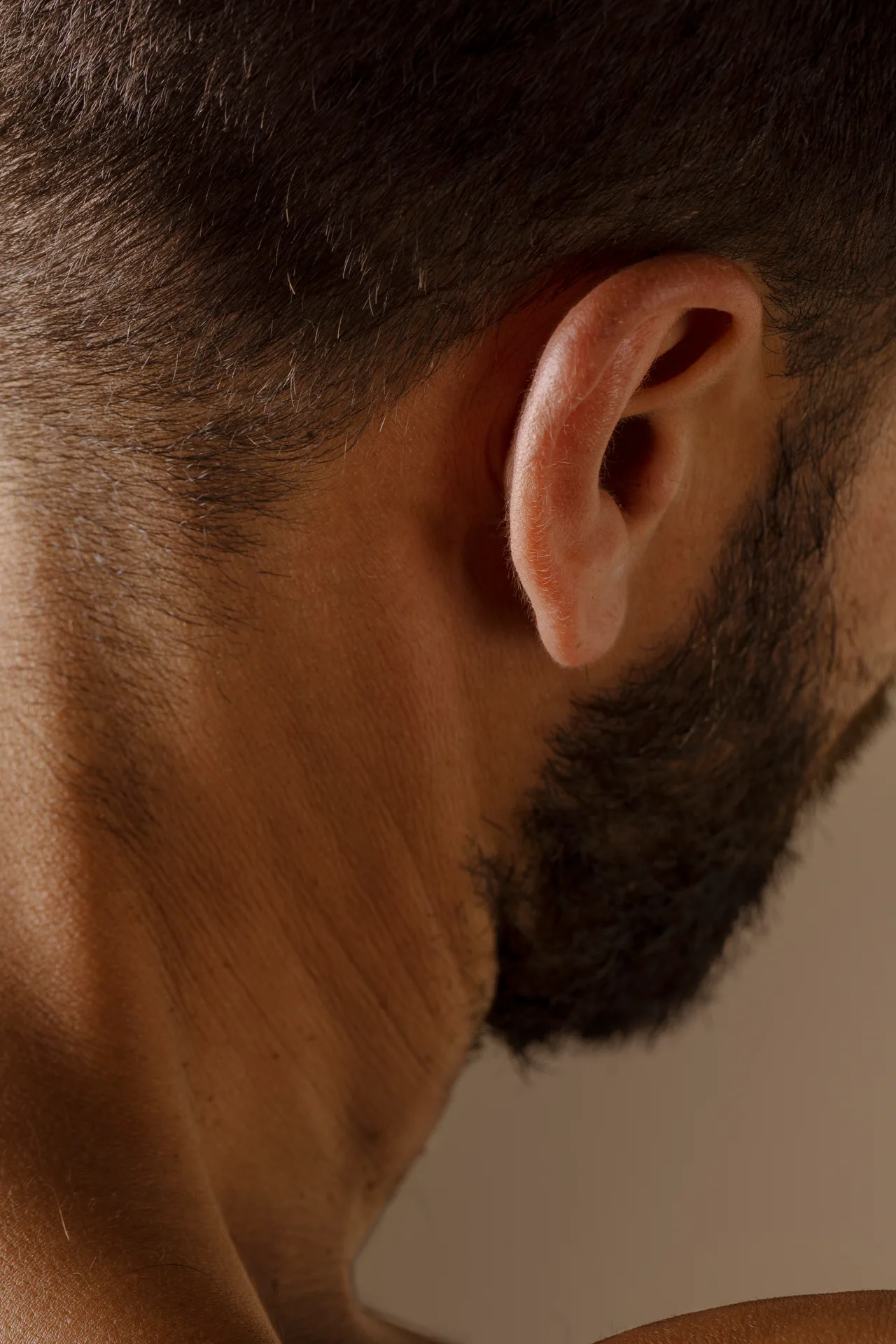
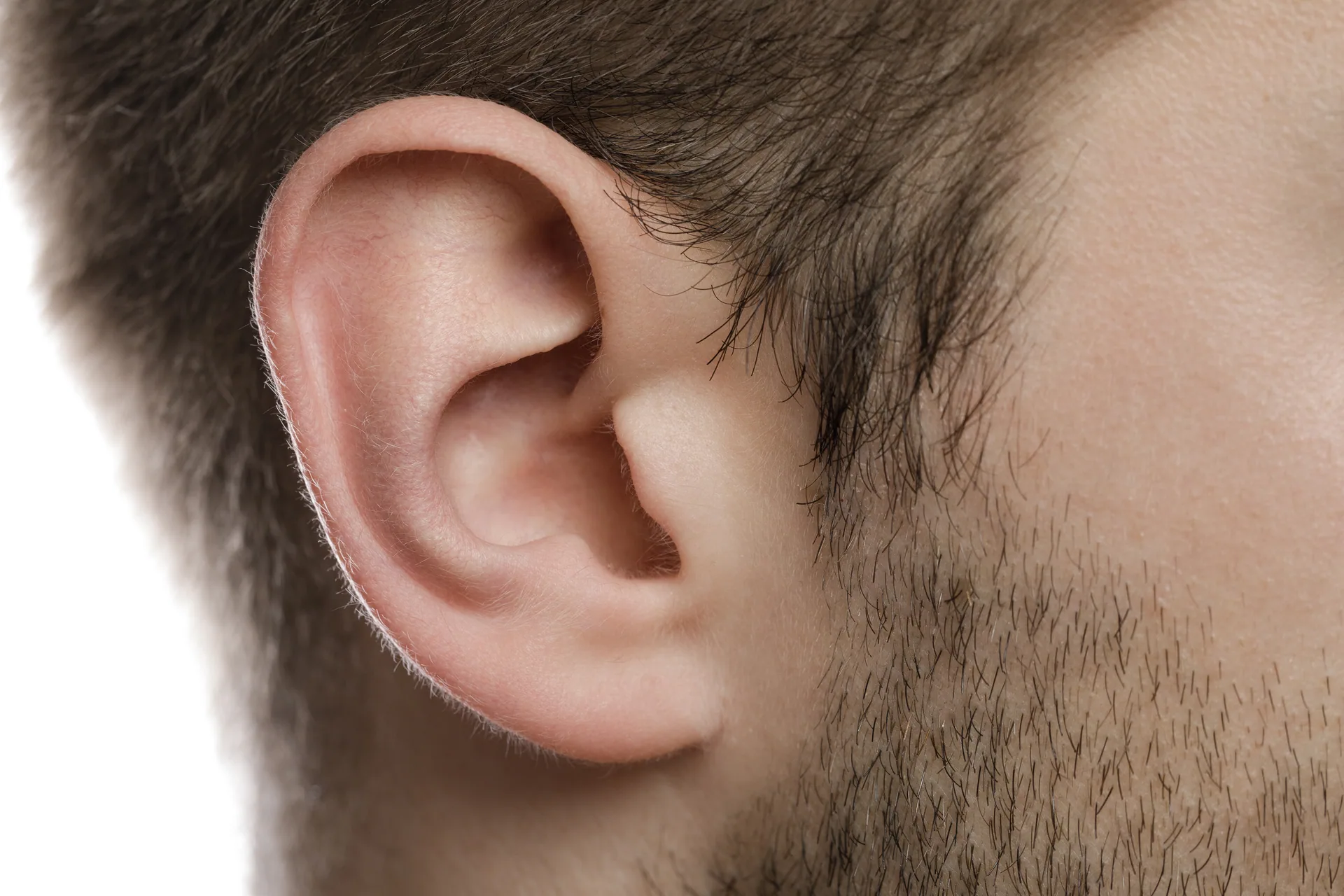
Parotidectomy removes part or all of the parotid, a salivary gland near the ear and upper neck. It may be considered for selected lumps or other gland conditions. The location, likely diagnosis and relationship to nearby structures shape the proposed operation.
The facial nerve travels through the gland and controls movement in the face. Ask how the identified problem relates to that nerve, what the tests suggest and how the planned removal balances treatment with function.
Consider the next step.
What should parotid assessment establish?
Parotid assessment should establish which structure is involved, what is known about the lesion and whether further information is needed. Examination, ultrasound or other imaging, and a needle biopsy can contribute different parts of the answer.
Tell the clinician how long the swelling has been present, whether it changes with meals and whether there is pain, skin change or facial weakness. These observations matter but cannot establish whether a lump is benign or malignant by themselves.
Ask what the current working diagnosis is and how certain it is. A sample can be informative without answering every question later resolved by tissue examination.
When might parotid gland removal be considered?
Parotid gland removal may be considered when the assessed condition supports surgery for treatment, diagnosis or another specific purpose. Not every swelling near the jaw has the same cause, and not every salivary gland problem requires this operation.
Ask why the procedure is preferred over observation or another reasonable option. The recommendation should explain both the expected benefit and the consequences of waiting in your circumstances.
Parotid surgery for a lump thought to be benign
Parotid surgery for a lump thought to be benign still needs a clear reason and risk discussion. Ask what supports the diagnosis, why removal is proposed and what the final report could change. The word benign does not make the surrounding anatomy irrelevant.
An operation on the parotid when malignancy is a concern
An operation on the parotid when malignancy is a concern may require a different discussion about extent and associated treatment. Ask which findings are confirmed and what remains uncertain. A general website description cannot predict the plan for an individual cancer.
Surgical extent: know which part is being removed
Surgical extent depends on the lesion’s location, suspected nature and relevant anatomy. The surgeon should describe the proposed amount of gland removal and any other area included in the operation.
Ask whether the plan could change because of findings during surgery or the final result, and how those possibilities are handled in consent. Additional neck treatment should have an explanation if proposed.
Discuss the likely scar, contour change, numbness near the ear and whether a drain may be needed. The operation commonly involves a general anaesthetic, with admission and preparation instructions confirmed by the treating team.
Facial movement risks: ask about temporary and permanent effects
Facial movement risks are important because surgery takes place near branches of the facial nerve. Weakness may affect different areas depending on the structures involved and can be temporary or permanent.
Tell the clinician about any existing asymmetry or weakness. Ask how the lump relates to the nerve and what risk is relevant to the proposed procedure. No generic percentage or promise of preservation should replace that individual discussion.
If facial movement changes after surgery, follow the treating team’s advice about assessment and any eye protection or other care needed. The response should be based on the actual findings.
Final pathology: confirm how the result guides further care
Final pathology examines the removed tissue and can confirm or refine the diagnosis. Ask when the report is expected, who explains it and whether its findings could lead to another treatment discussion.
Healing of the incision and completion of the diagnostic plan are different issues. Attend the agreed review even when the wound seems comfortable or the swelling is improving.
If you do not receive the planned result discussion, contact the treating service. Do not assume that no contact means the report is normal or that no further care is needed.
Recovery and other effects to discuss before surgery
Recovery and other effects depend on the extent, health and clinical course. Ask about wound care, drain management if relevant, eating, activity and return to work. Follow the instructions for the actual procedure performed.
Risks can include bleeding, infection, saliva leakage or collection, altered sensation and sweating over the area when eating. Ask how each relevant issue would be recognised and managed.
Head and Neck Cancer Australia provides a patient guide to the operation. The guide supports questions but does not establish your diagnosis or replace the surgeon’s explanation.
Postoperative review: check function, healing and the diagnosis
Postoperative review may assess facial movement, the wound, symptoms and the tissue result. Ask when it occurs and who arranges it. Confirm which changes should lead to earlier contact.
Rapid severe swelling, breathing difficulty, significant bleeding or other major deterioration needs urgent medical care. Call 000 for an emergency. Routine website enquiries cannot monitor recovery or provide an urgent response.
The patient information guide helps prepare practical questions. Check estimates from the surgeon, hospital and anaesthetist separately through fees and Medicare and the providers involved.
Questions about parotid surgery
Does parotid assessment always find cancer?+
Parotid assessment does not always find cancer. Lumps can have different causes, and the examination and tests help establish the appropriate explanation.
Is surgical extent identical for every lesion?+
Surgical extent is not identical for every lesion. The location, diagnosis and surrounding structures influence the proposed removal.
Can facial movement risks include permanent weakness?+
Facial movement risks can include permanent weakness as well as temporary changes. Ask the surgeon what is relevant to your anatomy and proposed operation.
Can final pathology differ from earlier sampling?+
Final pathology can confirm or refine earlier sampling and may change the treatment discussion. Ask how any difference will be explained and managed.
Does postoperative review matter if the wound feels fine?+
Postoperative review still matters if the wound feels fine. It may assess facial function and the final diagnosis as well as healing.
Is parotid gland removal the same as every salivary operation?+
Parotid gland removal is not the same as every salivary operation. Other glands have different anatomy, and the affected structure needs to be identified clearly.
Can an operation on the parotid cause numbness near the ear?+
An operation on the parotid can cause numbness near the ear or incision. Ask about the expected course and the possibility of persistent changes.
What should I clarify before parotidectomy consent?+
Parotidectomy consent should follow an explanation of the diagnosis, extent, material risks and alternatives. Include questions about the final result, recovery and any further treatment possibilities.
Prepare for parotid surgery with the next result in view
Prepare for parotid surgery by bringing the reports and asking what is known about the lump, how much tissue is proposed for removal and who explains the final pathology. Clarify the functional and recovery plan before deciding.
Read head and neck surgery information · Review the enquiry section
Start with a conversation.
Send a non-urgent enquiry about arranging a visit. Keep detailed health information and medical records for your consultation.
- 01
Tell us what brings you here
Choose an area of care and leave your contact details.
- 02
Confirm the practical details
Check the location, appointment fee and referral requirements with the practice.
- 03
Prepare for your consultation
Bring relevant reports, medicines and the questions you want to ask.